Najnowsze artykuły
Kultura
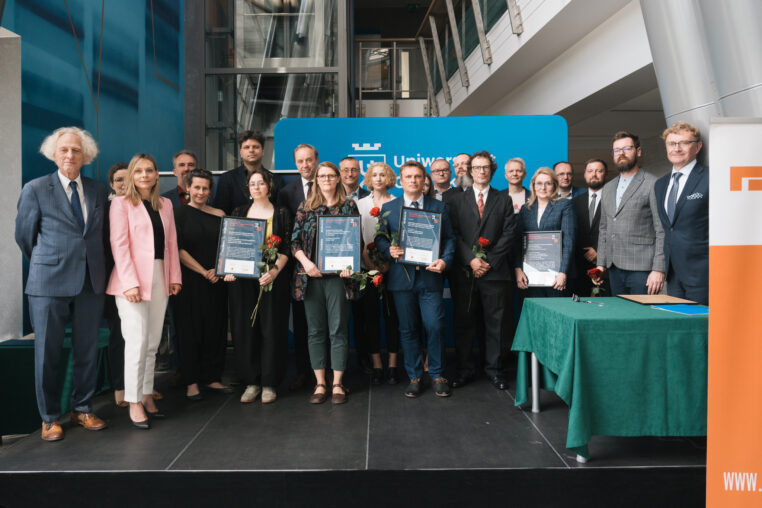
Za nami finał dwunastej edycji. Poznajmy zdobywców Pomorskiej Nagrody Muzealnej

 15 godzin temu

Zdrowie
Lepsza przyszłość zaczyna się w rodzinie. II Festyn Rodzinny „na Srebrzysku”
 20 godzin temu

Kultura
120 lat! Jubileuszowy rok skansenu we Wdzydzach
 7 dni temu

Środowisko
Rodzinne ogrody działkowe zyskują nowe oblicze. Co się zmieni?
 6 dni temu
Kultura
120 lat! Jubileuszowy rok skansenu we Wdzydzach
7 dni temu

Kultura
Koncerty, przedstawienia i parada kaszubskich łodzi żaglowych. Ruszają Gdańskie Dni Kaszubskie
5 dni temu



![Od bankowości do operatora drona. Zawodowe zwroty akcji po czterdziestce [WYWIAD]](https://pomorskie.eu/wp-content/uploads/2026/05/dron-762x393.jpg)

Ważne serwisy
-
Kultura
mniej niż minutę temu
Za niewiele ponad miesiąc jubileuszowy Festiwal Szekspirowski. Czym nas zaskoczy?
-
Komunikacja
54 minut temu
Kiedy koleją do Bytowa, Nowego Dworu Gdańskiego i nowych odcinkach na Pomorzu?
-
Kultura
15 godzin temu
Za nami finał dwunastej edycji. Poznajmy zdobywców Pomorskiej Nagrody Muzealnej
-
Komunikacja
19 godzin temu
Nowe „elektryki” wkrótce wyjadą na pomorskie drogi. To lepsza jakość połączeń regionalnych
-
Zdrowie
20 godzin temu
Pomorskie Centrum Reumatologiczne w Sopocie ma już 70 lat. Wielka pomoc dla dzieci i dorosłych